
Rynephone Locked iPhone Bulk buyers in China – Bulk Recycling Guide
- By Ryne Editor
- Locked & Compliance
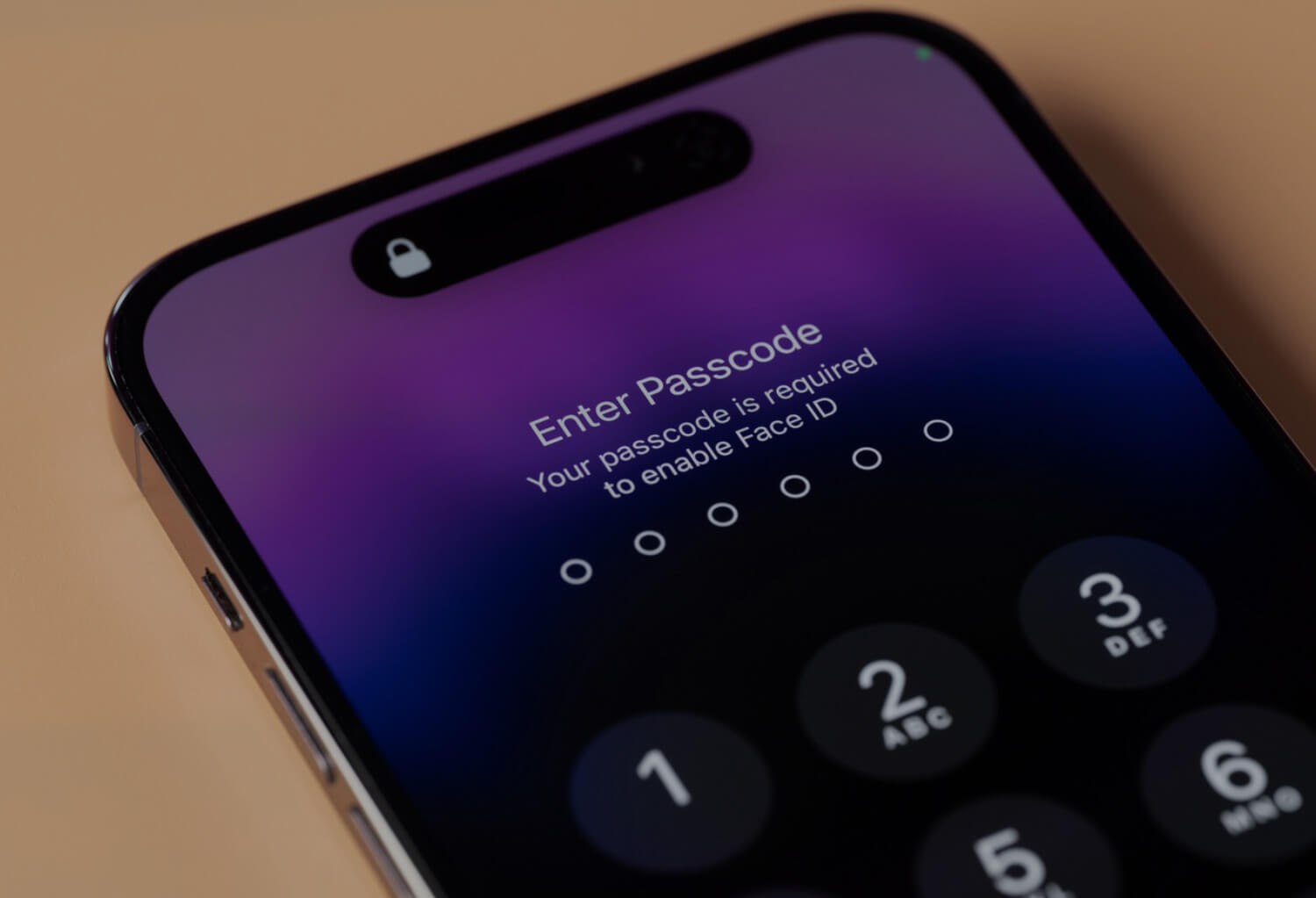
Have a pile of locked devices and not sure what to do next? Whether you’re sitting on dozens or thousands of units, the right strategy turns apparent headaches into predictable revenue. This guide walks through how to classify different lock types, typical market handling methods, and a recommended wholesale pathway that preserves value while minimizing risk.
Currently, in major markets such as the United States, Germany, France, the United Kingdom, Finland, and Sweden, RynePhone.com is committed to being a reliable partner for locked-device recycling and buyback, also other buyback business such as original broken phones screens, phones motherboard, used phones. The company provides accurate grading reports, secure logistics services, and fast payment, ensuring suppliers have a smooth, transparent, and profitable experience from shipment to settlement.
Locked devices aren’t waste — they represent a defined secondary market tier with stable resale demand. The key is to distinguish technical locks (such as iCloud, MDM, or FRP) from risk locks (such as carrier blacklists or lost/stolen units), manage them with clear labeling, and follow a consistent resale or recycling policy.
When handled correctly, locked phones and tablets can become a steady and legitimate source of profit, especially for recyclers, traders, and IT asset recovery partners. By understanding market categories and using structured processing methods, suppliers can unlock value that’s often hidden behind activation screens. Below are some classifications of locking devices and guidelines for bundling them for use.
1) The Four Lock Categories
- Carrier / SIM Lock – Devices restricted to a specific network but fully functional. These are the most common and still highly tradable.
- Activation / iCloud Lock (iOS) – Devices that cannot pass setup. Often used for parts harvesting or sold as “Locked” stock to specialized refurbishers.
- FRP / MDM Lock (Android / Enterprise) – Tied to Google or enterprise management accounts. Treated similarly to Activation-locked units; suitable for recycling or parts resale.
- Finance / Blacklist Lock – Flagged due to unpaid balance or loss report. Generally sold for parts or board recovery only.
2) Market Handling Practices
In today’s secondary market, locked devices move through several well-established channels, depending on the lock type and resale potential. Understanding how different buyers handle each category helps you position your stock for the best return.
1. Carrier-Locked Devices
These are the easiest to trade. Many international refurbishers and wholesalers purchase carrier-locked phones because unlocking solutions or compatible networks exist in their regions. In countries where carrier restrictions don’t apply, such devices can often be reused directly after testing. Proper labeling of carrier and model ensures smooth resale and minimal dispute.
2. Activation / iCloud Locked (iOS)
Commonly treated as parts units. Their original screens, motherboards, and camera modules can be extracted for resale or refurbishment. Some specialized buyers such as RynePhone.com focus on these devices for LCD and IC recovery, as Apple components have stable recycling value.
3. FRP / MDM Locked (Android / Enterprise)
Similar to Activation-locked iPhones, Android FRP or MDM devices are typically purchased by component recyclers or refurbishers for part-out. The displays, camera modules, and boards can still be valuable, especially from high-end Samsung or Huawei families.
4. Finance / Blacklist Locked Devices
Usually classified as risk inventory and directed to board-level recovery. These phones are not meant for reuse due to carrier or legal restrictions but remain profitable for parts harvest—especially logic boards, memory chips, and high-end OLED screens.
Across all categories, the key to strong recovery value is clear labeling, clean packing, and honest disclosure. Many experienced suppliers such as RynePhone.com separate locked devices by family / model (e.g., iPhone 13/14/15/16 or Galaxy S21–S25) and note the lock type directly on each bag. This transparency helps buyers process faster, reduce testing time, and pay sooner.
For consistent long-term profit, avoid speculative unlocks or grey-market reactivation services. Instead, focus on steady parts resale and partnerships with trusted buyback platforms such as RynePhone.com, which maintain compliance while still offering solid returns.
3) Recommended High-Value Path
RynePhone.com offers wholesale buyback services for all categories of locked devices. Their proven workflow ensures traceability, fair valuation, and fast payment, making it simple for suppliers to turn bulk locked stock into predictable revenue.
Below is the four-step process for RynePhone’s locked-device buyback program, for your reference.
1. Provide a Clear Packing List
Before shipping, prepare a detailed goods list that includes:
The lock type of each device (Carrier, iCloud, FRP, MDM, or Blacklist)
The quantity of each model. A brief description of cosmetic condition (e.g., cracked, good housing, missing parts, etc.)
A clear list helps RynePhone,com verify your stock quickly and accurately, reducing communication time and ensuring fair evaluation.
2. Send the List and Receive a Quotation
Once your locked devices list is ready, send it to RynePhone.com. Based on the list, RynePhone will provide a clear quotation covering each model category and lock type.
This quotation gives you a transparent overview of pricing before any shipment, allowing for quick and confident decision-making.
3. Ship Securely
After confirming the quotation, arrange shipment according to RynePhone’s anti-static and protection packing guidelines. Devices should be packed tightly but safely to prevent transit damage and ensure smooth handling during testing.
4. Receive Testing Report & Payment
Upon arrival, RynePhone conducts a detailed test and grading process. After verification, you’ll receive a testing report and payment within the standard processing period. This ensures speed, accuracy, and financial transparency for every transaction.
This structured workflow maximizes economic value while maintaining compliance, minimizing risk, and ensuring smooth logistics — enabling suppliers and partners to recycle and resell responsibly and profitably.
Conclusion: Turn Locked Inventory into Real Value
Locked devices don’t have to sit idle or end up as scrap. With the right grading, documentation, and partnerships, they can become a steady source of revenue and parts supply.
RynePhone.com specializes in bulk buyback of locked devices, providing a safe, efficient, and transparent channel for suppliers around the world. Every shipment is tested, reported, and paid promptly—helping you unlock value without risk.
Stay organized, stay compliant, and let every locked unit work for you—not against you.